
Fire Safety Failures Case Study
SURVEYS | REMEDIAL WORKS | REPLACEMENTS | INSTALLATION
Fire Safety Failures Discovered Across a Multi-Storey Building
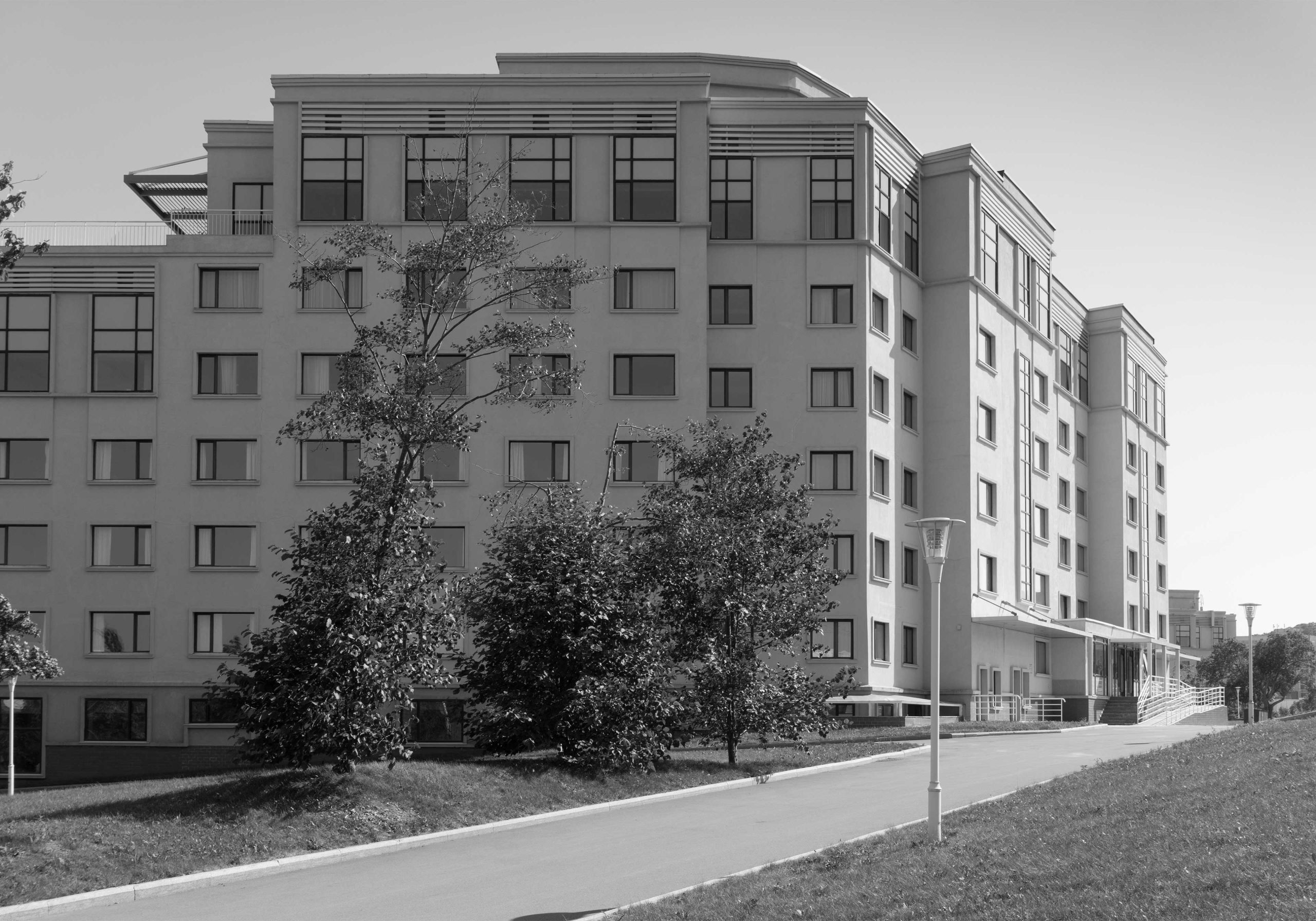
About the Project
Fire compartmentation is one of the most critical, yet frequently overlooked, elements of building fire safety. When fire compartments fail, smoke and flames can spread rapidly through escape routes, riser cupboards, service voids, and communal areas, putting lives at risk and compromising evacuation procedures.
A recent project completed by Meritas uncovered multiple fire compartmentation non-conformities throughout a multi-storey residential and commercial building. This project demonstrates how hidden defects can exist across several floors without building occupants even realising it.
Challenges and How We Overcame Them
The primary challenge was the presence of widespread, systemic defects hidden throughout the property.
Significant non-conformities were identified across numerous levels, including the mezzanine level and the first, second, third, fourth, fifth, sixth, and seventh-floor escape stairwells.
These issues were often located directly within fire escape stairwells, areas specifically intended to provide safe evacuation routes during an emergency.
Furthermore, many of these defects stemmed from historical alterations and maintenance work that had unintentionally compromised the building’s fire protection systems over time.
Meritas overcame these challenges by executing a comprehensive programme of fire compartmentation remediation works designed to restore compartment integrity and improve overall building safety.
Recognising that even small gaps can allow smoke and fire to spread, the team focused heavily on meticulous attention to detail. All systems were installed in strict accordance with manufacturer instructions, utilising staggered joint systems and protecting every exposed joint and screw head to successfully maintain the required fire ratings.
Scope of Works
To resolve the widespread issues, Meritas carried out extensive passive fire protection remediation works across the affected floors. The scope of works included:
Removal of existing, non-compliant wooden riser cupboards and frames that failed to provide the necessary fire resistance.
Installation of fire-rated stud systems and tracks.
Installation of double-layered, double-sided fire-rated plasterboard systems using staggered joint systems to improve fire resistance performance.
Installation of 60-minute fire-rated access hatches.
Sealing of all joints, edges, and penetrations with intumescent sealant
Conclusion
Passive fire protection is not simply a compliance exercise, it is a critical life safety system that protects occupants, limits property damage, and supports safe evacuation during emergencies. By identifying and resolving these compartmentation failures, Meritas successfully restored the integrity of the building’s fire protection strategy and significantly improved overall safety standards.
Many fire compartmentation defects remain hidden out of sight above ceilings, behind risers, or inside service voids for years. Buildings that have undergone refurbishment, maintenance, or contractor works are particularly vulnerable to these issues. For building owners, managing agents, and facilities teams, this project serves as a powerful reminder that while fire compartmentation risks are often hidden from view, the dangers they create are very real.
Contact Meritas &
Speak to an Expert
Our consultants provide industry-leading passive fire surveys, fire damper certifications, and full-scale remediation frameworks.
Speak with our specialists today for clear, technical advice.
Tel: 01621 770834