Meritas Blog
Indepth information and analysis on all aspects of the Passive Fire Safety Protection industry
STAY UP-TO-DATE WITH NEWS, EXPERT OPINION AND HELPFUL INFORMATION FROM THE PASSIVE FIRE SAFETY INDUSTRY
Active Fire Protection Fire Dampers: Your First Line of Defence At Meritas, we often find ourselves explaining that the most critical components of a building’s safety strategy are...
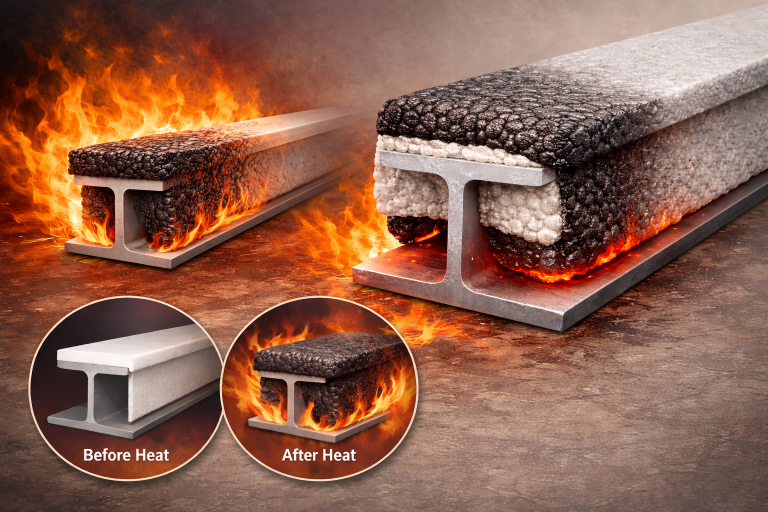
Choosing Fire Passive Protection Materials: From Intumescent Coatings to Fire Doors Fire safety in buildings is often associated with alarms, sprinklers, and evacuation procedures....
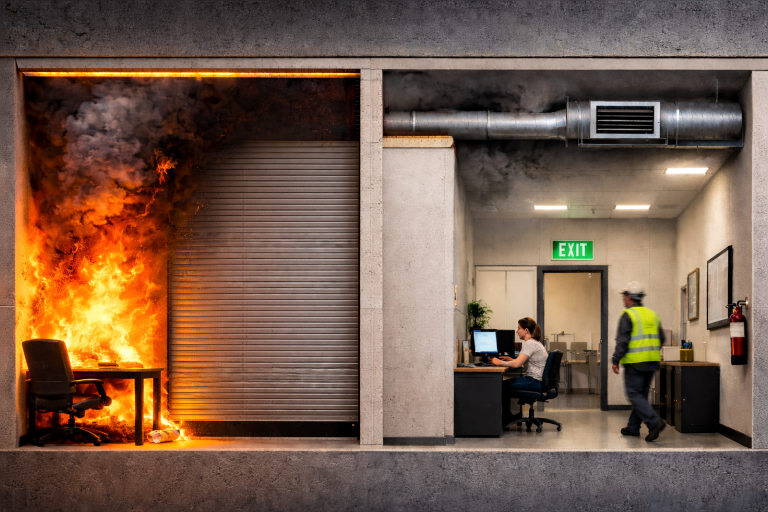
The Art of Compartmentation: Essential Strategies for Fire Safety in Buildings Fire safety in buildings is often judged by what people can see: fire alarms, emergency lighting, extinguishers,...

Fire Door Fundamentals Purpose, Types and Essential Safety Benefits Fire doors are a fundamental element of building fire safety, yet they are often overlooked or misunderstood. While...
What Are Fire Dampers? A Beginner’s Guide to Passive Fire Protection When people think about fire safety, they often picture alarms sounding, sprinklers activating, or fire doors closing. Yet...
Fire Protection Strategies: Understanding the Hidden Defences in Your Building When most people think about fire safety, they picture alarms, sprinklers, or extinguishers. But behind...
Did you Know...
Following the Building Safety Act of 2022 if a responsible person fails to meet the duties outlined in the act, particularly in the management of building safety risks, they could face severe penalties, including imprisonment. For instance, failure to comply with an improvement notice or prohibition notice issued by the regulator can result in imprisonment of up to two years.
There is a common misconception that remodelling negates the existing fire protection. In truth, it's vital to assess and upgrade PFP elements during renovations. Understanding these principles not only enhances safety but also promotes better fire risk management.
In the realm of fire safety, non-compliant fire compartmentation poses significant risks across various building types, creating a complex web of responsibility. At-risk parties for prosecution include property owners, developers, and contractors involved in the construction or renovation of commercial and residential buildings. If inadequate fire barriers lead to violations of local fire codes, these stakeholders can face severe penalties and even Prosecution.